Quiet Layers: Texture That Breathes in Small Minimalist Homes
Today we explore adding texture without visual clutter in compact minimalist apartments, revealing how subtle materials, light, and honest finishes create depth without crowding the eye. Expect practical tactics, small-space anecdotes, and designer tricks that honor calm, clarity, and daily ease. Share your own experiments in comments, subscribe for weekly inspiration, and let’s build interiors that feel soft, grounded, and effortlessly organized while remaining beautifully spare and approachable.

Understanding Visual Weight

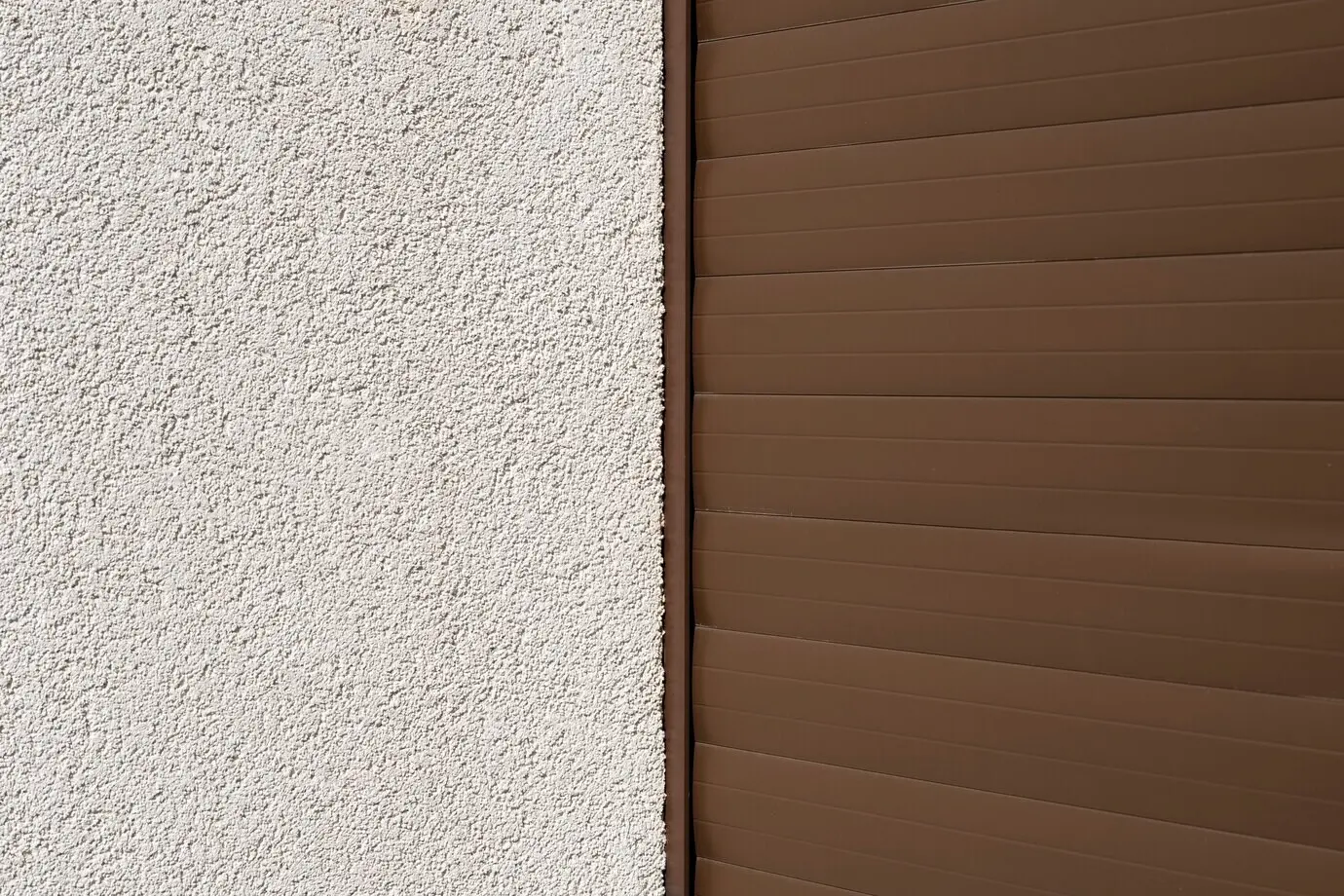
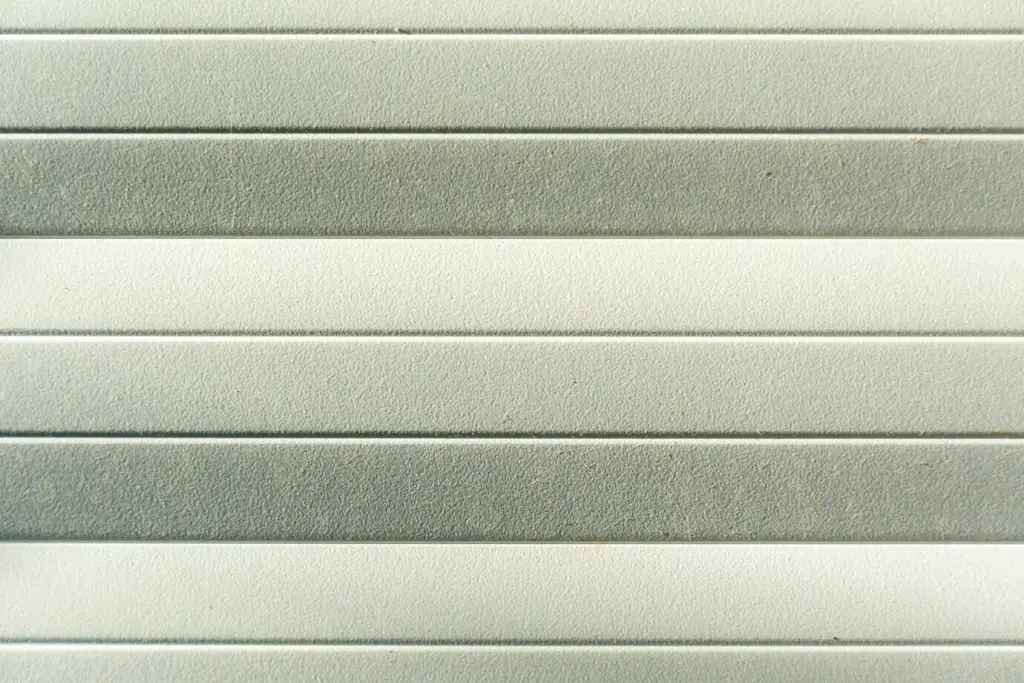
Visual weight shapes how our eyes read a room before we sit down. Smooth planes distribute attention evenly, while chunky weaves and high-contrast patterns pull focus. In compact apartments, choose textures that invite touch but recede at a distance. Replace big, aggressive patterns with fine-grained finishes, flatweave rugs, and low-sheen walls. Cluster texture sparingly, then surround it with breathing room so the space stays open, legible, and quietly characterful from morning coffee to evening wind-down.

Palette Restraint, Depth Preserved

A narrow palette calms tight rooms, yet subtle tone shifts preserve dimension. Work within cousins of the same color, leaning into undertones: warm gray beside oat, mushroom beside stone, chalk beside sand. Choose materials that naturally vary in micro-shade, like limewash or rift-sawn oak. These delicate transitions read as softness rather than noise. The result: your eye glides across surfaces, sensing depth and harmony without tallying distractions, and your apartment feels graciously larger than its square footage suggests.

Micro-Scale Materials That Matter

Small apartments reward textures you perceive up close. Fine grains, soft hand-feel textiles, and matte finishes provide intimacy without busyness. These options handle fingerprints, daily use, and natural light with grace, avoiding fussy upkeep or visual noise. Instead of dramatic veining and loud patterns, seek whisper-thin ribbing, tight loops, and tactile coatings that the camera barely notices yet fingers appreciate. Minimalism becomes human, not sterile, welcoming both socks-on mornings and late-night stretches with uncomplicated comfort.

Fine-Grain Woods and Muted Grains

Select rift-sawn or quarter-sawn woods with discreet linear grain that organizes rather than agitates. Ash, oak, or maple in light finishes maintain warmth without bold stripes. Edge profiles matter: a softened chamfer adds shadow detail without clutter. Keep joinery honest and visible, letting craftsmanship provide texture instead of ornament. When a single wood tone repeats across shelves, table edges, and small trims, the apartment gains rhythm and coherence, expanding visually while feeling grounded and beautifully habitable.

Stone, Ceramic, and Matte Finishes

Honed stone, unglazed porcelain, and satin ceramic tiles deliver tactile depth that won’t sparkle into chaos. Choose neutral fields with tiny speckles or subtle movement that read as natural, not busy. On counters, consider low-reflective sealers that keep surfaces quiet. In backsplashes, slender tiles with tight grout lines provide fine relief without crowding. Even a matte microcement shower walls can hold light softly, turning small bathrooms into serene retreats that survive everyday life and still look artfully restrained.

Layering Without Layers: Smart Swaps

Switch Hardware, Transform Feel

Trade glossy pulls for knurled, brushed, or patinated hardware that offers grip and character in a fingertip. Keep profiles lean and finishes cohesive across rooms. A consistent family of handles, hooks, and door stops reads as one continuous note. This single materials story introduces texture you notice daily while preventing visual fragmentation. It is a small, cost-effective move that upgrades experience, signaling care and intention whenever you open a drawer or hang a tote after stepping through the door.

Architectural Lines as Texture

Use reveals, shadow gaps, and slim baseboards to create gentle relief where walls meet ceilings, cabinets, and floors. A 10-millimeter recess can feel like a tailored seam, guiding light along edges. Fit flush outlet plates and concealed hinges to reduce visual noise, so the few deliberate lines sing. These architectural strokes contribute texture that never needs dusting, outlasting trends and belongings. The apartment gains a tailored calm that expresses itself in confident, quiet geometry rather than decorative extras.

Functional Accessories with Quiet Character

Edit decorative objects ruthlessly and let functional items provide texture instead. A clay carafe, linen tea towel, or cork tray introduces grain and warmth while serving daily tasks. Group them by material to avoid cluttered variety. Keep surfaces mostly clear, then repeat a single texture once or twice to establish rhythm. This approach respects minimalism’s clarity yet gives fingers something honest to hold, turning routines—pouring water, setting keys, folding laundry—into small, grounding rituals that enrich the space naturally.

Color, Light, and Shadow Choreography

Texture thrives through careful staging of color temperature and shadow. Warm whites and cool grays can coexist if undertones align. Direct light reveals harshness; diffused light nurtures softness. By controlling sheen, direction, and reflectivity, you orchestrate a gentle performance where surfaces glow quietly. Instead of adding objects, you refine perception itself. The outcome is depth that moves as the day passes, painting your compact rooms with subtle gradients, while keeping focus on breathing space, clarity, and restorative calm.

Sheer Curtains and Soft Diffusion

Choose densely woven sheers in natural fibers to blur window frames, flatten harsh highlights, and spread daylight evenly. The fabric’s micro-weave acts as a soft filter, adding a tactile presence without clutter. Coordinate curtain color with wall tones so the envelope reads as one. As light shifts, the sheer catches it, creating a slow, luminous texture that replaces the need for extra decor. Nights remain gentle too, with city glow softened to a hush behind the calm veil.

Sconce Grazing and Wall Wash

Use slim sconces and low-glare downlights to graze textured paint, gentle plaster, or subtle wood slats. This sideways light emphasizes relief while avoiding glare and hotspots. Place fixtures to create overlapping gradients rather than isolated pools, helping small rooms feel larger and more unified. A dimmer extends flexibility from morning brightness to evening unwind. The walls become an evolving canvas of light, adding dynamic interest that needs zero dusting and keeps the space tidy, intentional, and quietly engaging.

Entryway: First Touch, Last Glance

Install a slim, wall-mounted shelf with a softly chamfered edge and a single low-profile hook rail in brushed metal. Beneath, a narrow, flatweave runner catches grit without dominating. Use a shallow tray in cork or unglazed ceramic to collect keys, giving texture a job. Keep color aligned with the adjacent room so the threshold feels continuous. This quiet choreography prepares you to leave calmly and return home to order, signaling the apartment’s restful intent immediately upon arrival.

Living Zone: Conversation, Not Distraction

Anchor the room with a smooth sofa in durable, finely woven fabric, then add one tactile cushion for contrast. Use a simple, solid wood coffee table with a soft radius on edges that catches light tenderly. Keep media storage closed and flush-fronted so the wall reads clean. Let a single plant with matte leaves introduce organic texture. Arrange lighting to wash surfaces rather than spotlight objects. The result is focus for conversation, reading, and recovery, without visual interruptions shouting for attention.

Sustainable, Budget-Savvy Choices

Texture can be ethical, durable, and affordable. Prioritize materials with low emissions, recycled content, or traceable origins. Shop secondhand for honest patina and resilient finishes. Make small changes where hands meet surfaces so upgrades feel meaningful daily. Maintain with gentle products that respect fibers and coatings. This mindset reduces waste, stretches budgets, and builds spaces that age gracefully. Tell us what you’ve sourced, trade tips with readers, and subscribe for monthly material spotlights and community-driven small-space makeovers.

Secondhand Finds with Honest Patina

Hunt for solid-wood side tables, ceramic vessels, or metal lamp bases with subtle wear that reads as depth rather than damage. Sand and refinish lightly to keep character intact, then pair with new, calm textiles for balance. Avoid ornate silhouettes; let patina be the primary story. One well-chosen vintage piece can replace multiple decorative items, adding history and touchable charm while keeping surfaces clear. This approach respects budgets, the planet, and the minimalist promise of considered, long-lived possessions.

Low-Emission, Natural Fibers and Finishes

Choose certified low-VOC paints, water-based sealers, and wood finishes that preserve a natural look without high gloss. Favor wool, linen, cotton, and TENCEL for textiles that breathe and wear beautifully. These materials offer texture that aligns with health and sustainability while feeling good against skin. They also patinate gracefully, inviting repair instead of replacement. Over time, your compact apartment gathers a quiet, lived-in richness that supports wellbeing, proves resilient to daily use, and keeps visual clutter firmly at bay.

Movezirefamana
Privacy Overview

This website uses cookies so that we can provide you with the best user experience possible. Cookie information is stored in your browser and performs functions such as recognising you when you return to our website and helping our team to understand which sections of the website you find most interesting and useful.