Quiet Depth, Honest Surfaces
Today we explore natural materials that add depth to minimalist spaces, tracing how wood grain, honed stone, linen, clay, and lived-in metal cultivate shadow, texture, and quiet warmth without clutter. You will find actionable methods, small stories from homes, and sourcing wisdom that make restraint feel welcoming, durable, and distinctly personal.

The Grain That Guides The Eye

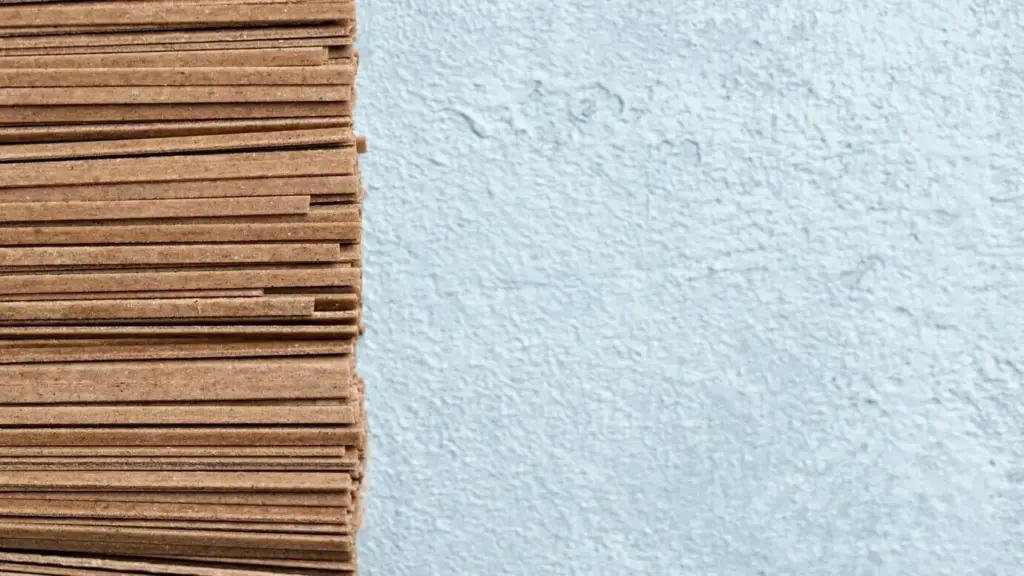
Linear grain in quarter-sawn oak or ash acts like a quiet compass, guiding attention without shouting. I watched a client’s stress visibly drop as their eye traced gentle lines across a console. The room did not gain more objects; it gained rhythm, subtle shadow, and a reassuring pulse that encouraged slower, more mindful living.

Stone That Softens Light

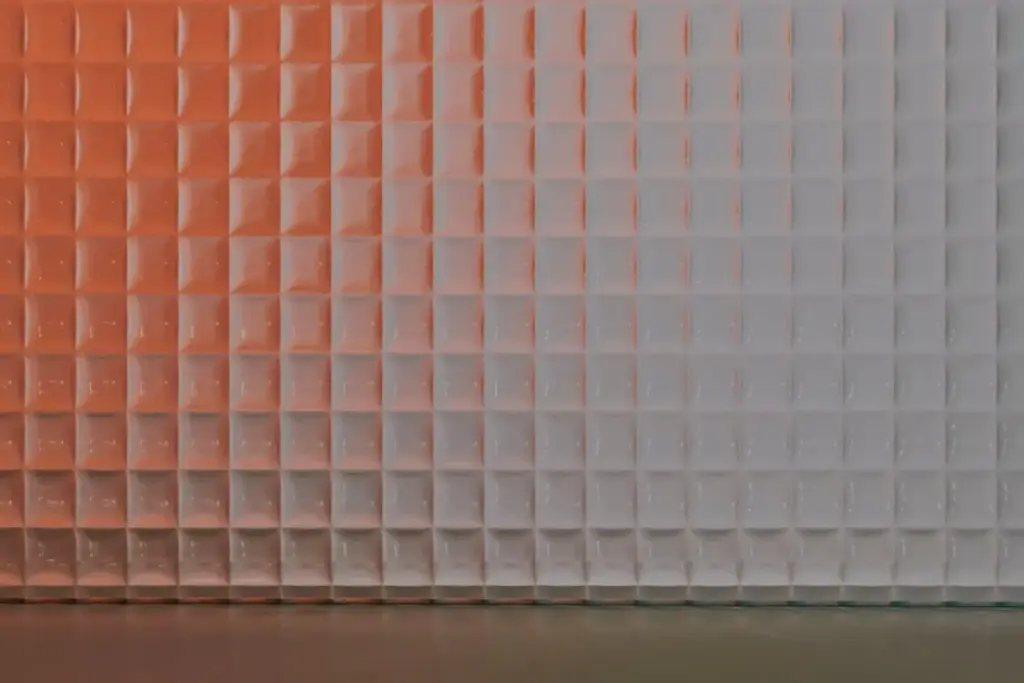
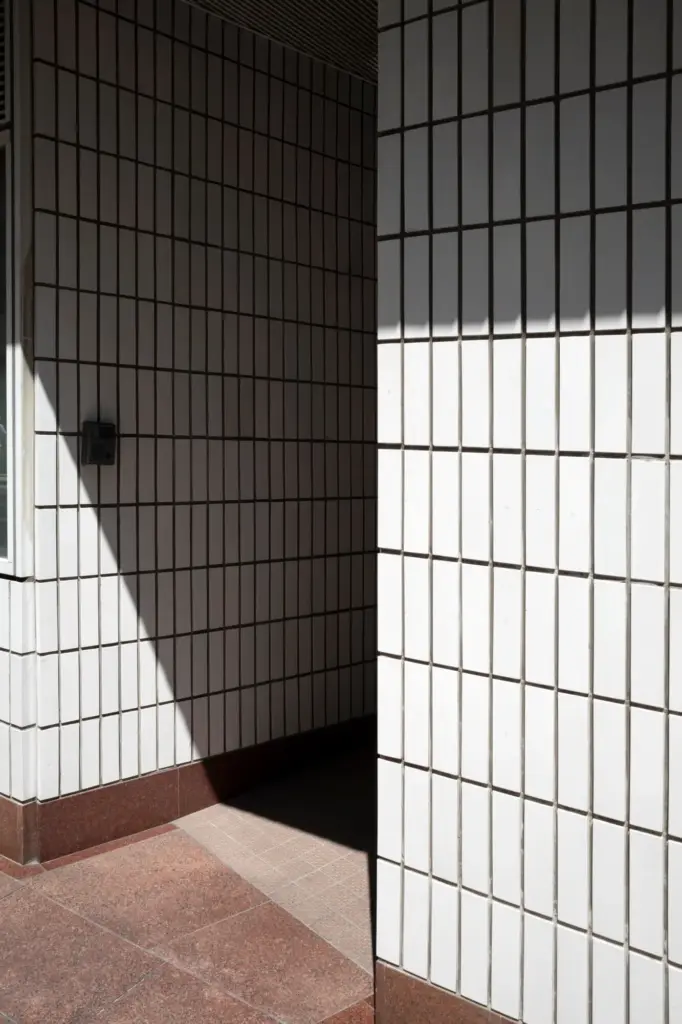
Honed limestone or travertine turns glare into a clouded glow, scattering reflections into soft gradients. Chamfered edges remove visual noise, while delicate fluting adds shadow play that shifts slowly throughout the day. The result is depth measured in minutes and mood, not millimeters, transforming minimal surfaces into quiet instruments for light.

Wood As A Subtle Architecture

Oak, Ash, And Calm Warmth

Pale oak and ash brighten without reflecting harshly, their fibers diffusing light into a grounded, sandy calm. Quarter-sawn boards minimize movement and draw elegant stripes. A simple soap or oil finish feels calm under hand, developing a gentle sheen over years. Minimal forms suddenly carry narrative, memory, and a timeless, composed confidence.

Joinery That Disappears

Pale oak and ash brighten without reflecting harshly, their fibers diffusing light into a grounded, sandy calm. Quarter-sawn boards minimize movement and draw elegant stripes. A simple soap or oil finish feels calm under hand, developing a gentle sheen over years. Minimal forms suddenly carry narrative, memory, and a timeless, composed confidence.

Finishes That Age Gracefully

Pale oak and ash brighten without reflecting harshly, their fibers diffusing light into a grounded, sandy calm. Quarter-sawn boards minimize movement and draw elegant stripes. A simple soap or oil finish feels calm under hand, developing a gentle sheen over years. Minimal forms suddenly carry narrative, memory, and a timeless, composed confidence.

Stone, Clay, And Earthbound Serenity

Earth materials carry thermal mass, muted color, and an ancient familiarity that steadies clean spaces. When gloss recedes, sensory detail takes the stage: a pebble-soft edge here, a mineral flicker there. These modest gestures root minimal rooms to time and landscape, encouraging deeper breathing and a slower, more gracious daily tempo.

Textiles That Temper Silence

Minimal rooms can echo emotionally as well as acoustically. Layered textiles repair that gap, adding hush, resilience, and human scale. When curtains skim the floor and rugs echo the room’s geometry, surfaces converse instead of compete. The result is balanced stillness: calm enough to think, warm enough to stay, soft enough to share.

Linen That Filters Daylight

Open-weave linen curtains act like cloud cover for windows, tempering glare while preserving daylight’s nuance. Weighted hems keep lines true, and ceiling-mounted tracks elongate the room with quiet drama. Choose natural, undyed tones that mellow with washing, letting each season tint the fabric’s mood without introducing visual noise or distraction.

Wool That Holds Warmth

Wool rugs offer springy cushioning, sound absorption, and thermal comfort beneath minimalist furniture. Flatweaves suit high-traffic paths, while dense pile anchors conversation areas with gentle luxury. Consider undyed heathers that hide lint gracefully. A single, generous rug can unify scattered pieces, lending proportion and warmth without adding a single extra object.

Metal Accents With Human Patina

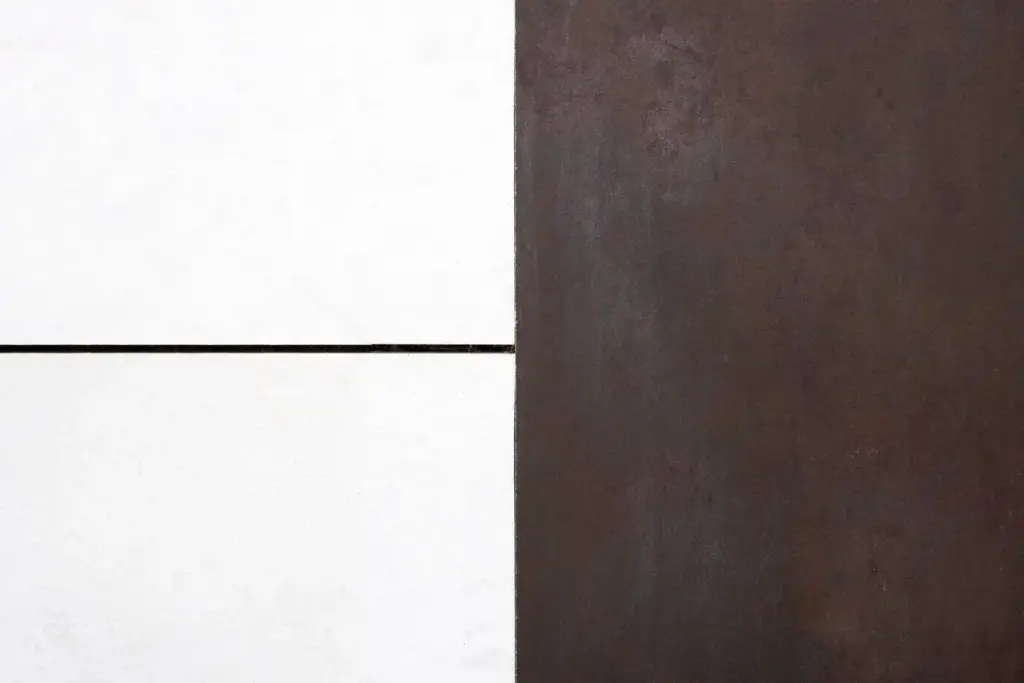
Metal adds line, contrast, and a touchpoint for the hand. When unlacquered, it records contact like a journal, balancing minimal clarity with lived memory. Pair soft brass with pale woods, blackened steel with stone, and bronze with linen. The interplay creates measured drama, guiding attention while preserving the room’s spacious, contemplative character.

Brass That Learns Your Hands

Unlacquered brass hardware darkens where fingers linger and brightens where cloth glides, mapping habits over time. On a minimal door, that mellow glow becomes the only ornament needed. Polishing stays optional; patina tells the truer story, revealing care, routine, and a household’s gentle, evolving choreography of reach, return, and rest.

Blackened Steel As Frame

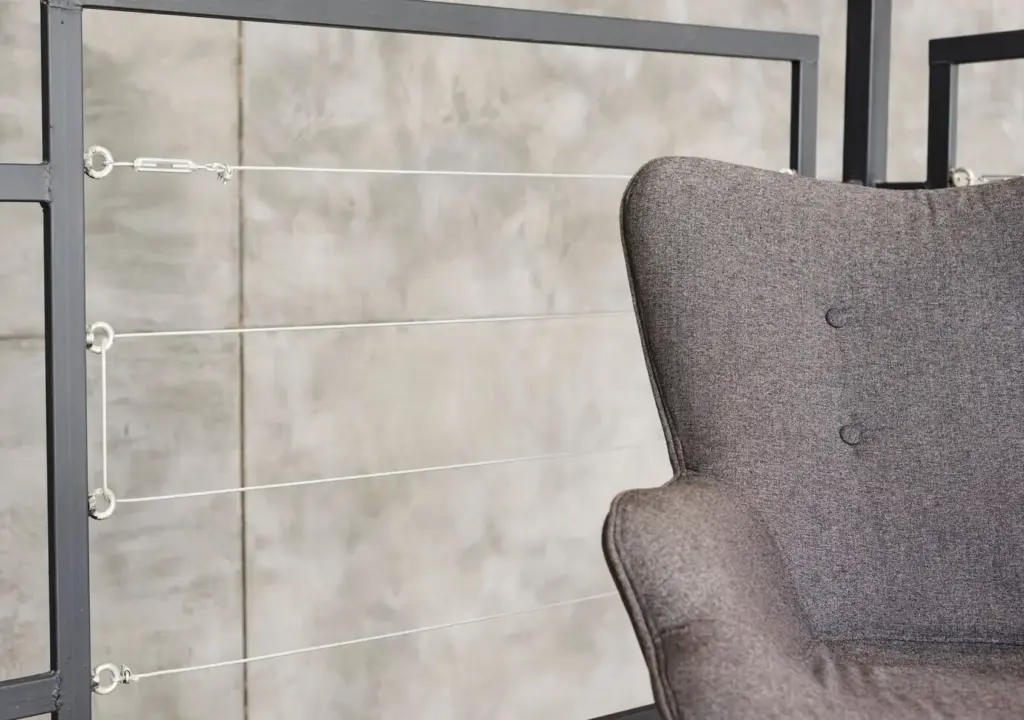
Blackened steel legs and thin profiles outline volumes like charcoal marks, sharpening silhouettes without bulk. This subtle frame grants furniture presence while letting wood, stone, and textiles sing. Maintain with wax rather than lacquer to preserve depth, avoiding plastic shine that would flatten the dialogue between material honesty and architectural calm.

Light, Care, And Longevity
Depth flourishes where attention becomes habit. Simple care rituals, mindful lighting, and responsible sourcing transform minimal rooms into enduring companions. Invest in fewer, better materials; learn their maintenance; let daylight lead compositions. Share your discoveries with our community so others can grow braver, kinder, and more resourceful in their own quiet spaces.
Movezirefamana
Privacy Overview

This website uses cookies so that we can provide you with the best user experience possible. Cookie information is stored in your browser and performs functions such as recognising you when you return to our website and helping our team to understand which sections of the website you find most interesting and useful.